Climate Justice
Putting Frontline Communities at the Heart of Climate Action
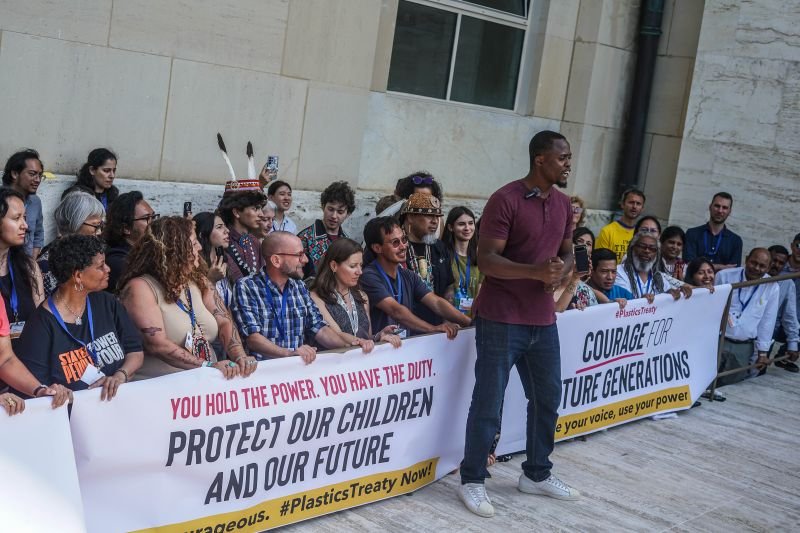
At Empower Grassroots Initiatives (EGI), we believe that true climate solutions must be rooted in social, economic, and environmental justice. Frontline communities, informal waste workers, women, youth, and persons with disabilities often bear the heaviest burden of climate degradation while contributing the least to global emissions.
1. A Just Transition for Informal Waste Workers
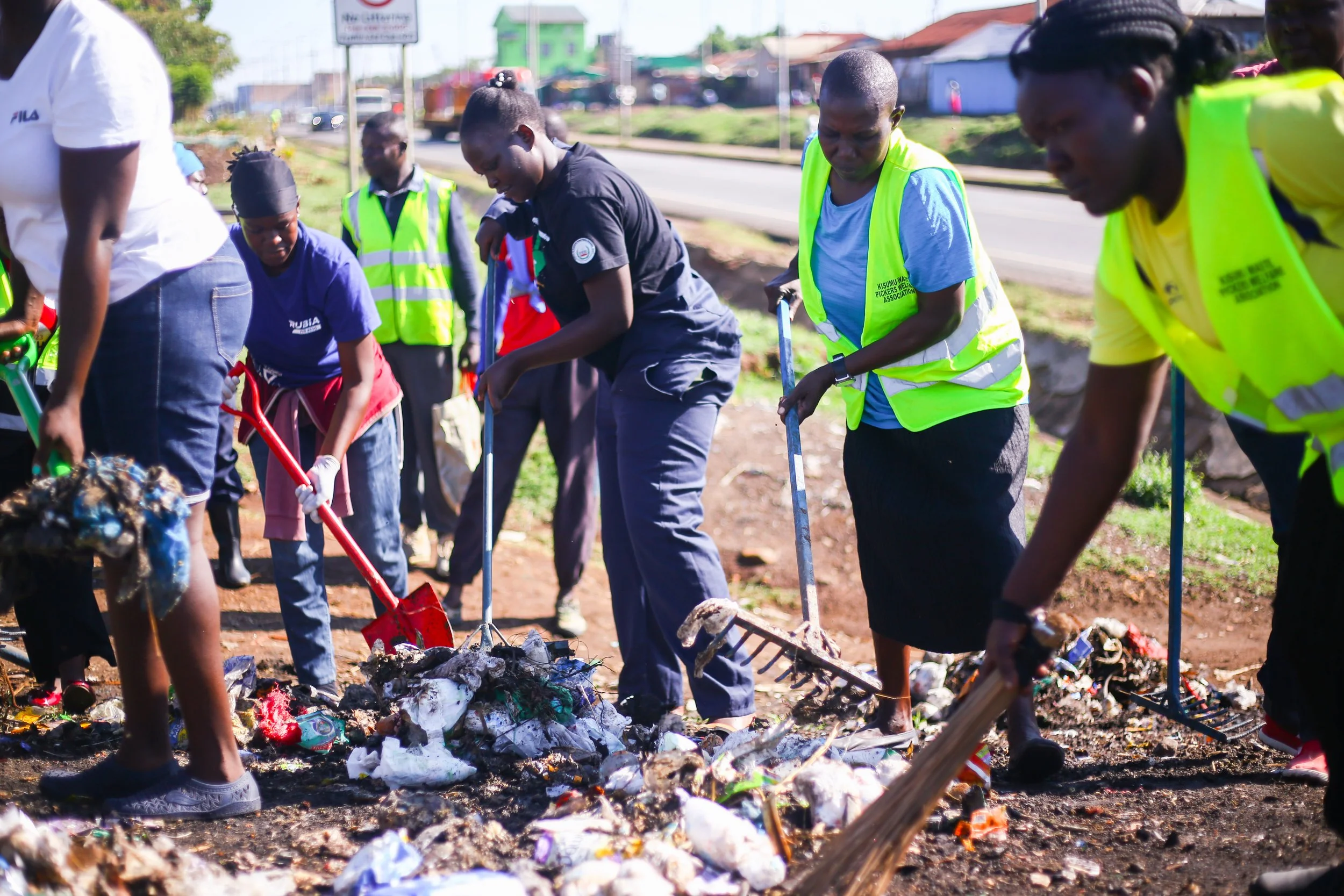
Informal waste workers (IWWs) and waste pickers provide essential services to urban ecosystems by driving recycling and lowering carbon footprints. Yet, they frequently face unsafe working conditions, social exclusion, and economic insecurity. EGI advocates for:
* Municipal Integration: Developing inclusive policy journeys to integrate informal waste workers into formal waste management systems.
* Global Advocacy: Pushing for a Just Transition in local, national, and international frameworks, such as the UN Global Plastics Treaty.
* Dignity & Protection: Ensuring fair stipends, health and safety training, personal protective equipment (PPE), and formal recognition.
Our mission is to centre these voices in policy, governance, and local action, ensuring a Just Transition that respects rights, creates decent jobs, and builds long-term community resilience.
Our Strategic Focus;
2. Inclusive & Intersectional Climate Action
Climate change affects communities differently. EGI's work embeds strict gender equality, non-discrimination, and disability inclusion into all climate resilience programs:
* Empowering Women: Supporting women in the informal recycling and waste sectors through leadership development, advocacy training, and economic empowerment.
* Disability Inclusion: Advocating for accessible climate adaptation and tailored support for waste pickers and community members living with disabilities.
* Youth & Frontline Leadership: Elevating youth-led environmental initiatives and ensuring frontline workers lead local policy dialogues.
3. Grassroots Policy Co-Creation
Top-down solutions often fail the communities most affected by climate impacts. We bridge the gap between grassroots realities and policy decision-makers by:
* Integrating historical indigenous knowledge and local community experience into policy frameworks.
* Facilitating participatory dialogues between informal workers, CBOs, municipal authorities, and international partners.
* Conducting community-driven data collection, worker mapping, and policy awareness workshops.

Our Impact in Action
* Community-Led Representation: Founded with direct experience from frontline waste picker leadership, EGI brings authentic grassroots lived experience into global advocacy.
* Field Empowerment: Supporting informal waste workers across urban and peri-urban areas through worker registration, safety training, and advocacy toolkits.
* Collaborative Partnerships: Partnering with local CBOs, municipal leaders, and civil society organizations to co-create actionable climate solutions.
Join Us in Building Climate Justice
Climate justice cannot happen in isolation, it takes collective action. Whether you are a local community leader, policymaker, donor, or ally, partner with EGI to champion an inclusive and equitable green transition.

Ending Plastic Pollution: A Frontline and Just Transition Approach.
Beyond Waste: Protecting Communities, Oceans, and Human Dignity
Plastic pollution is not merely an environmental management challenge; it is a profound human rights, health, and economic crisis. Millions of tons of plastic waste flood urban centres, waterways, and informal settlements across the Global South every year, threatening public health and ecosystems.
At Empower Grassroots Initiatives (EGI), we fight plastic pollution from the ground up. We champion systemic solutions that eliminate toxic plastics at the source, promote circular economics, and safeguard the livelihoods of the frontline waste pickers who clean our cities every day.
Our Advocacy Pillars
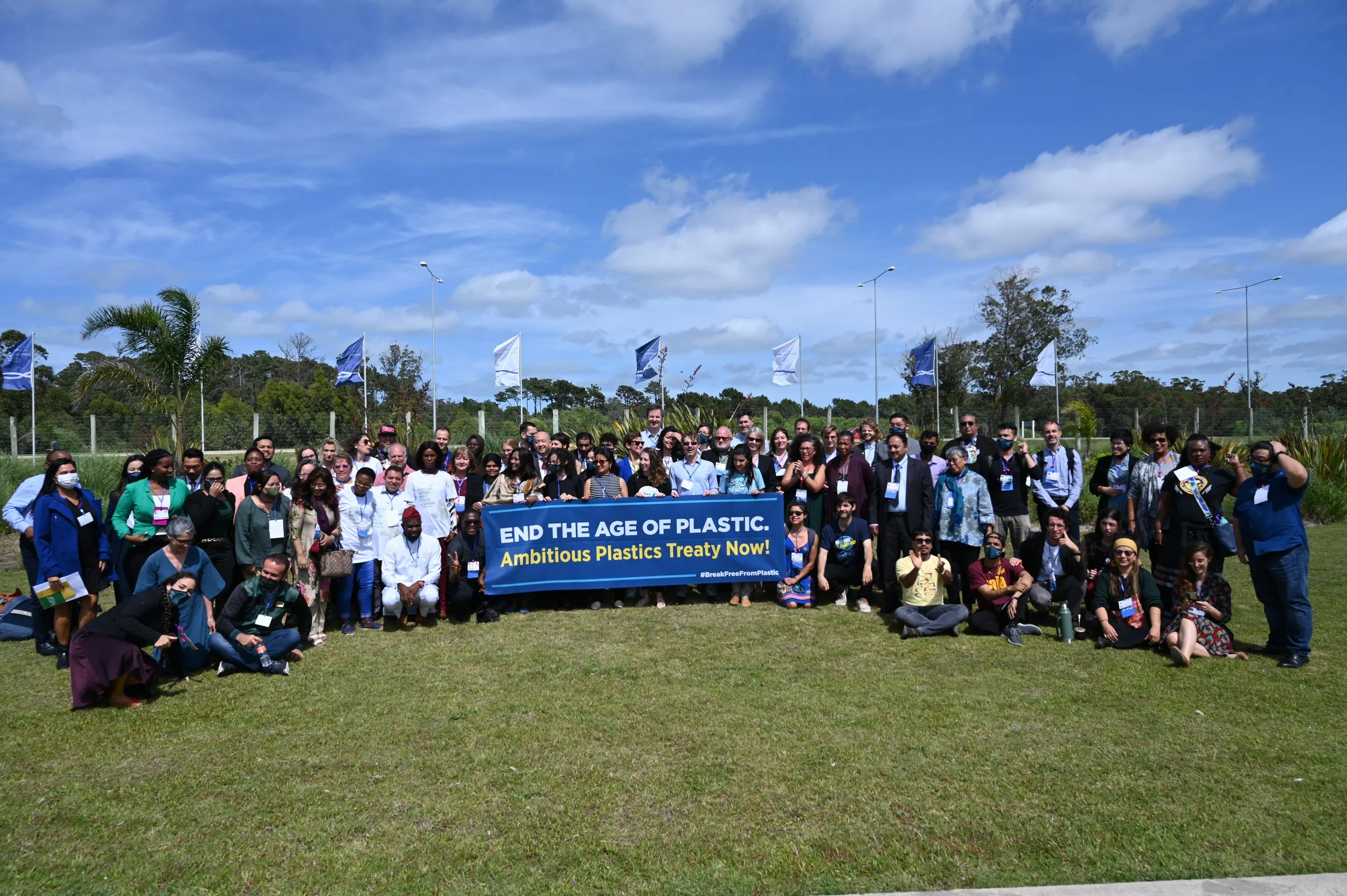
Championing a "Just Transition" in the UN Global Plastics Treaty.
As negotiations progress toward a legally binding Global Plastics Treaty, EGI advocates directly for informal waste workers and frontline communities.
* Formal Recognition: Demanding explicit recognition of waste pickers as essential environmental service providers.
* Social Protection & Rights: Ensuring international agreements secure health, safety, decent work, and fair compensation for informal workers.
* No Social Washing: Opposing industry-led superficial fixes or cartels that marginalise informal waste pickers in favour of profit-driven corporate models.
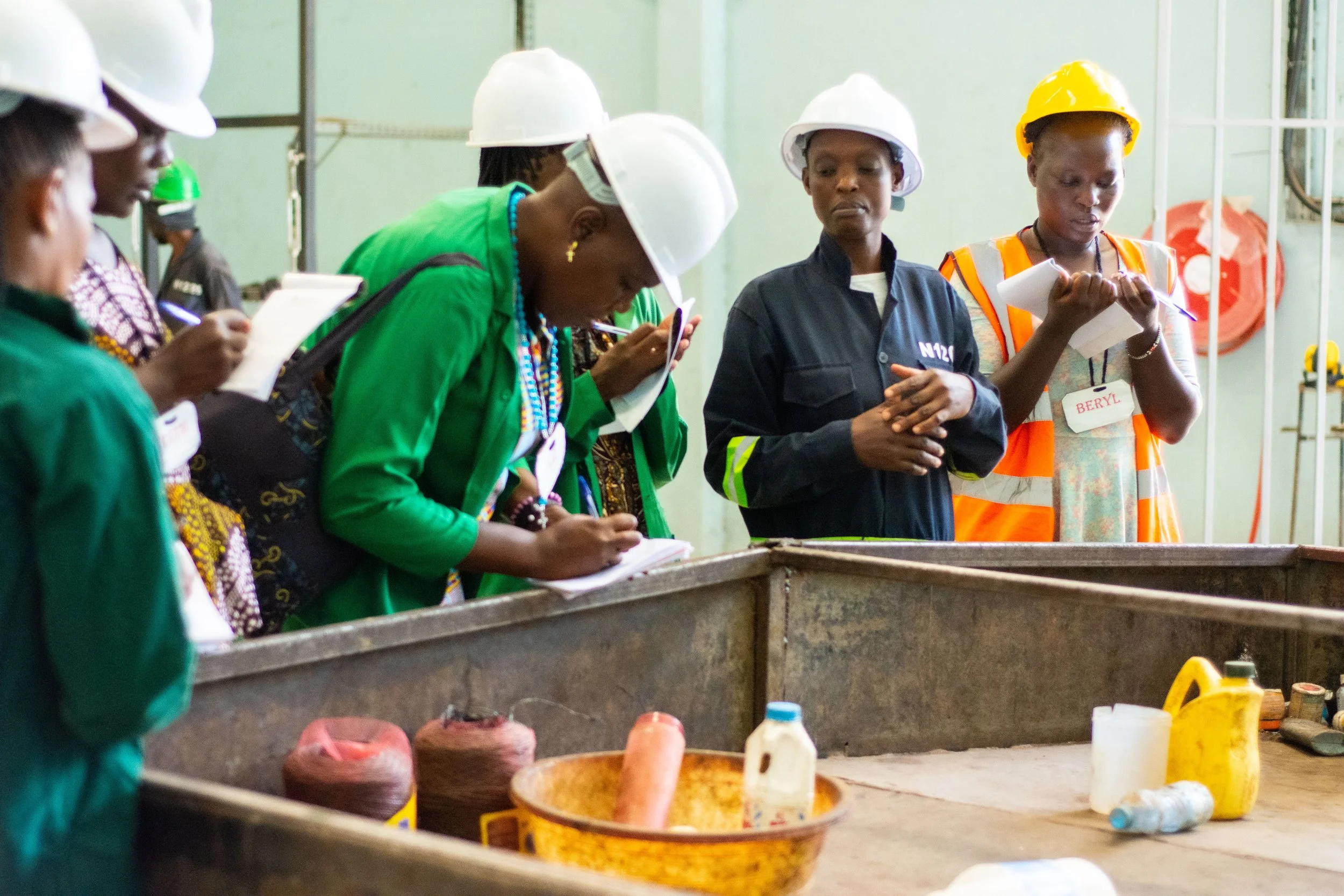
Municipal Integration and Local Waste Systems.
Grassroots action is where national policy meets reality. EGI works with local authorities, community based organizations (CBOs) and municipal stakeholders to build inclusive sustainable waste management systems:
* Street-to-Policy Mapping: Registering and mapping informal waste workers across urban and peri-urban spaces to integrate them into municipal waste streams.
* Dignity at Dumpsites, streets and in the communities: Securing safer working environments, PPE, health training, and fair pricing models for waste pickers collecting across streets, markets, neighbourhoods and dumpsites.
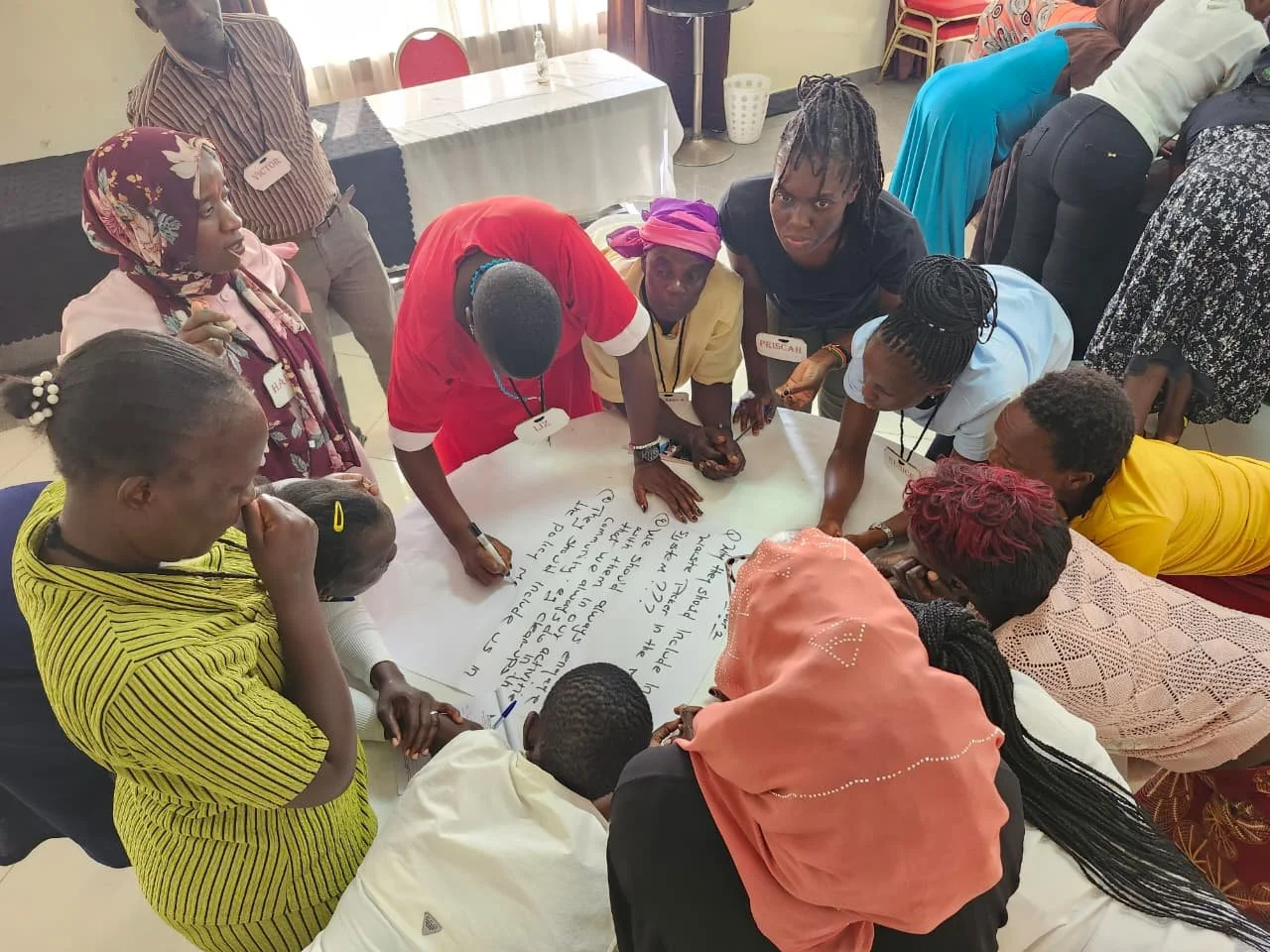
Gender, Youth, and Intersectionality in Waste Management
Women and youth in the informal waste sector face disproportionate risks and structural barriers. EGI puts gender equity and inclusion at the core of our plastic reduction strategy:
* Women's Leadership: Training and empowering women informal waste pickers to lead recycling initiatives, negotiate fair trade rates, and take active roles in local governance.
* Inclusive Opportunities: Ensuring youth and persons living with disabilities have equal access to training, leadership, and green employment opportunities within the waste sector.
Why do frontline workers matter?
Frontline communities and Informal waste pickers prevent vast amounts of plastic from entering oceans and landfills, driving recycling rates higher than formal municipal systems in many regions. Yet, they often remain unseen, uncompensated and vulnerable.
Empower GI exists to change this narrative.
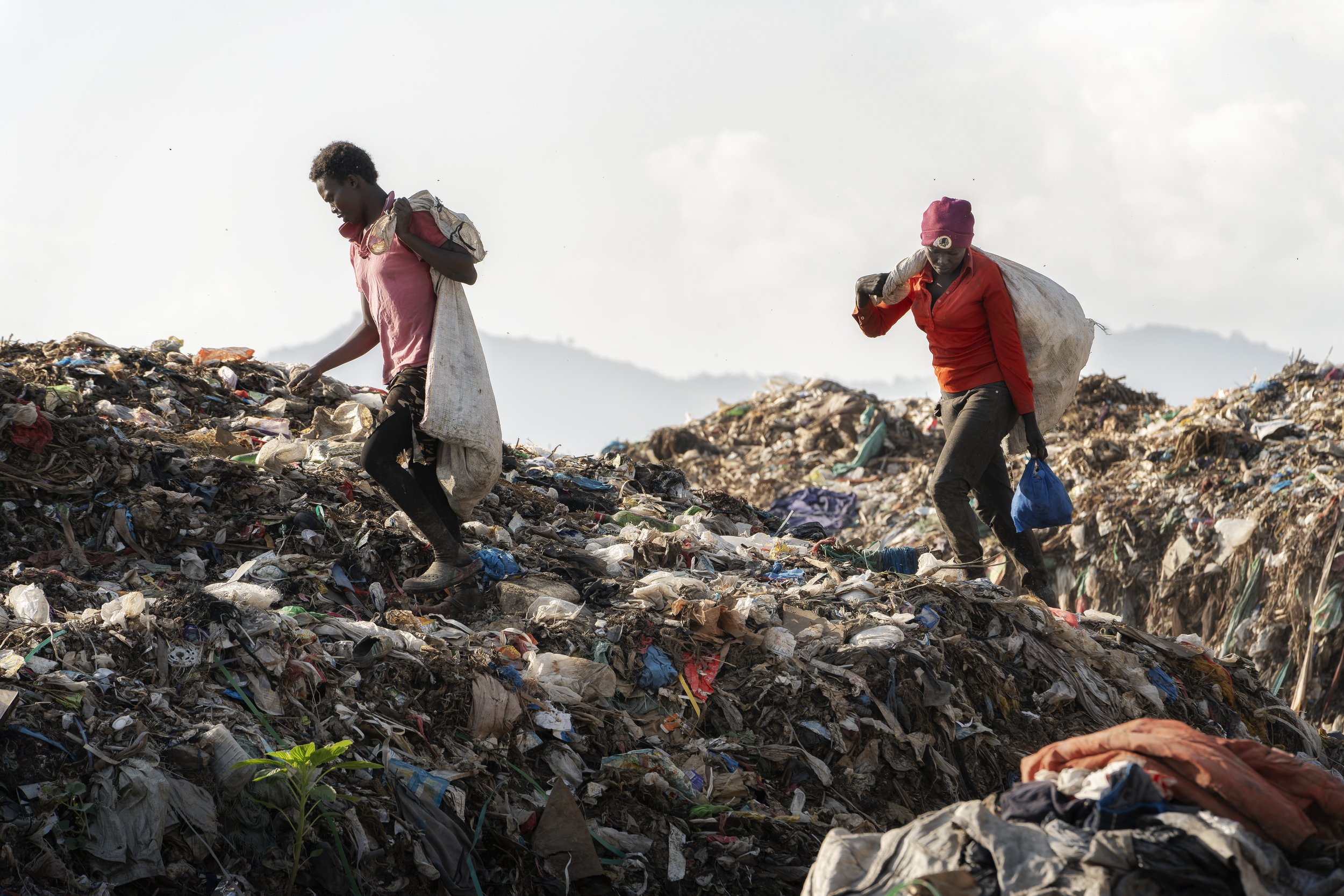
From informal to Integrated; Transforming informal work into structured growth, secure livelihoods, and lasting economic Empowerment.
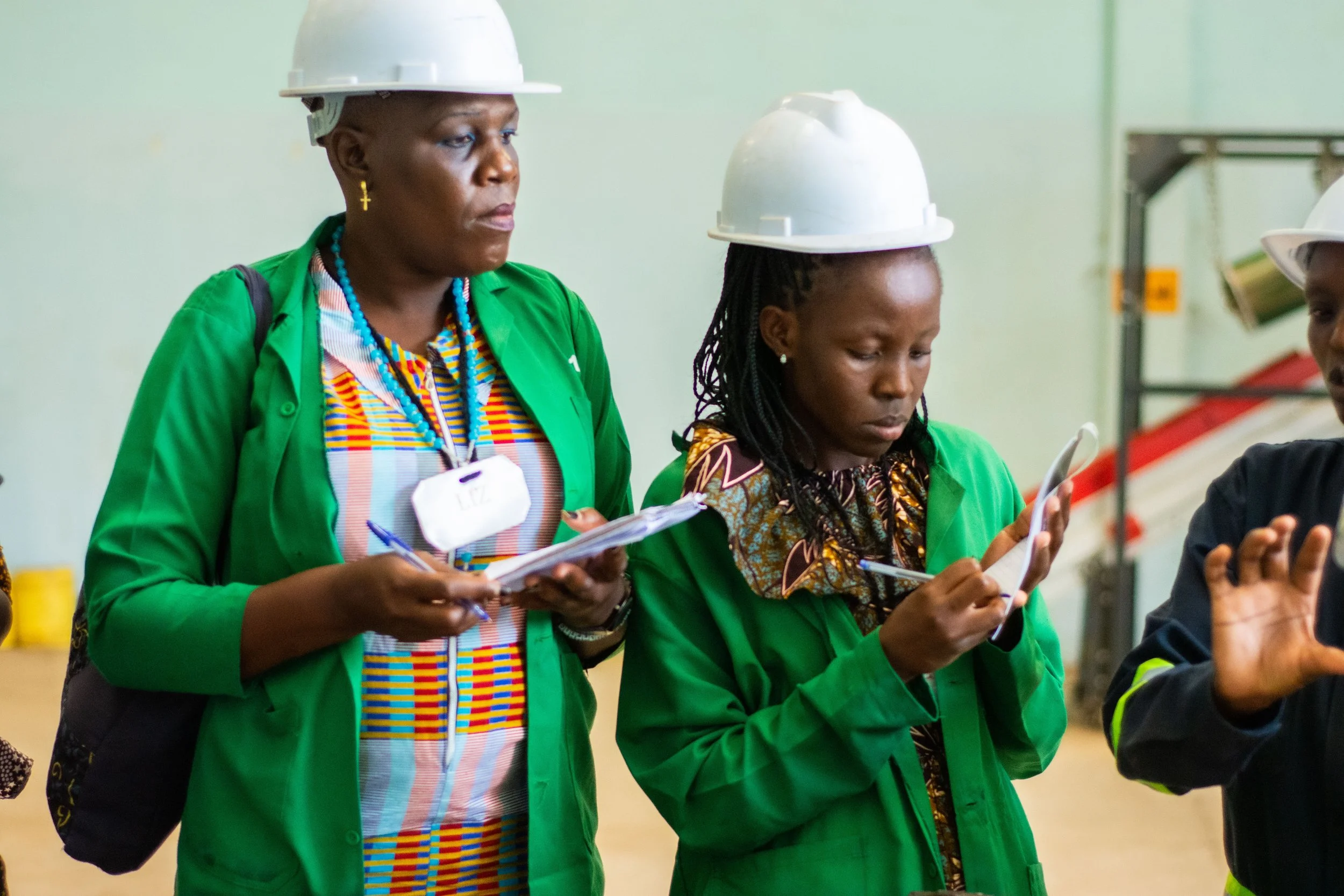

From vulnerable to Empowered; True integration begins by replacing vulnerability with dignity, equipping frontline informal, workers with the tools, stability and agency needed to rise into empowered economic leaders.


From forgotten to policy driver; True integration turns silent contribution into leadership, moving frontline informal workers from forgotten labor to active drivers of inclusive policy.